Luna by Julie Anne Peters
Blue is my mother's favorite color, in fact. Through research I actually found that most girls prefer blues and greens and purples. Is this supposed to mean something significant? No, it's not. We can like any color really, no matter what any stereotype is. The reality is that humans find color pretty or interesting, and our interests cannot be confined within basic categories based on gender. I am a girl and I like blue. A boy can like pink, or purple, or turquoise, and it shouldn't matter. Whoever made the stereotype that boys like blue and girls like pink, has made our society forever corrupt in that girls and boys will always be judged on whether they hold the characteristics that each gender should have.
In the book Luna by Julie Anne Peters, the father is noticeably sexist-- which is hard to deal with when your son is a transgender. He is really into the idea of the females doing the housework and the males doing the handiwork. When asked why the sky is blue, he said: "because God is a boy. If God was a girl, the sky would be pink. As a' little boy the son wanted a barbie, so to the father there was "something wrong with him."
Maybe the father really isn't selfish, and he was just looking forward to having those father and son moments. Does that make it OK to force Liam (the son) to do sports, or work out in the gym? Not at all. Unfortunately, parents have their flaws. But failing to accept your child for who they are has some of the worst effects.
My little cousin Max likes the color pink. He has a pink hat, and a pink night shirt. His sister likes to play around in the dirt, and do sports, and rock climb. To me and to their parents, it doesn't make a difference. They can like any color and it won't make a difference, because they are both happy children who will succeed whether or not they like pink or blue. I don't see why that isn't the priority, but forcing your child into being the standard boy or girl is.
Wednesday, December 19, 2012

Wednesday, December 12, 2012
What Would You Do For Love?
Tell No One by Harlan Coben
He turns his head slowly. That's when he sees the cop. He can't get arrested, only a few hours till he can see his wife for the first time in 8 years. So he runs. Through the park, the streets, and hides in a dumpster. The federal government on the search for what is truly an innocent man, driven by love to display himself as guilty.
Romeo and Juliet. They take poison for each other. Hunger Games. Katniss volunteers to take her sister's place in the death games. In books and movies, scenes like these are sometimes viewed as dramatic, at the same time inspiring and heartbreaking. Some people might role their eyes. But what they don't see, is that these things are actually realistic. People act out of love all the time, but how far would you go?
Most kids our age won't admit that they'd care about someone so much that they'd risk their life for them. But put in a situation where you might have to, a lot of people would do it in a second.
Humans were given the gift of emotion. We are able to love, we are able to fell pleasure, we are able to feel guilt and dislike. We overlook that. But what would it be like if we could never feel anything. What if you couldn't tell your mother, "I love you" before you went to sleep-- because you didn't. What if your uncle came back from the military safely, and you couldn't feel happy? That is why we do extreme things for people we love. We don't want to lose that feeling.
If I was ever put in a situation where I could risk my own life to save a family member, I would. I guess that sounds like an overstatement, but it isn't. I mean, if you think about it, if you had to swim deep into the ocean to save your brother drowning, would you do it? I know, what are the possibilities of these things happening? Not many. But really, doing things for love isn't as extreme as stories portray them to be. It's an instinct.
He turns his head slowly. That's when he sees the cop. He can't get arrested, only a few hours till he can see his wife for the first time in 8 years. So he runs. Through the park, the streets, and hides in a dumpster. The federal government on the search for what is truly an innocent man, driven by love to display himself as guilty.
Romeo and Juliet. They take poison for each other. Hunger Games. Katniss volunteers to take her sister's place in the death games. In books and movies, scenes like these are sometimes viewed as dramatic, at the same time inspiring and heartbreaking. Some people might role their eyes. But what they don't see, is that these things are actually realistic. People act out of love all the time, but how far would you go?
Most kids our age won't admit that they'd care about someone so much that they'd risk their life for them. But put in a situation where you might have to, a lot of people would do it in a second.
Humans were given the gift of emotion. We are able to love, we are able to fell pleasure, we are able to feel guilt and dislike. We overlook that. But what would it be like if we could never feel anything. What if you couldn't tell your mother, "I love you" before you went to sleep-- because you didn't. What if your uncle came back from the military safely, and you couldn't feel happy? That is why we do extreme things for people we love. We don't want to lose that feeling.
If I was ever put in a situation where I could risk my own life to save a family member, I would. I guess that sounds like an overstatement, but it isn't. I mean, if you think about it, if you had to swim deep into the ocean to save your brother drowning, would you do it? I know, what are the possibilities of these things happening? Not many. But really, doing things for love isn't as extreme as stories portray them to be. It's an instinct.
Wednesday, December 5, 2012
Live by the Morals You're Taught
Children's books often use rhymes, vibrant colors, silly characters and silly situations to convey a powerful message that is important for kids to learn early on. But children's books also introduce conflict--good vs evil--to a young audience. The reason: the world isn't perfect, and you can learn from your mistakes if you never make one. One thing you shouldn't do when explaining something to a child is fully sugar-coat life, because then the child will grow up unfamiliar with how to solve problems.
For example, most are familiar with the all time favorite author Dr. Seuss. Known for his made up words, rhyming tales, and odd-looking creatures. But as we learned from The Lorax, there is more to the story than just goofy pictures. Its about the Oncler who comes to the hill where the truffela trees grow. The land is beautiful, but despite the Lorax's pleas, he chops down the truffela trees and drives the other creatures away to benefit his factories. When the land is raw and bare, and the business is done, he gives a truffela seed to a child to start anew. The message is that no good comes to greedy people and to never give up. By giving the kid the seed as opposed to an adult, it shows that small actions can make a difference, and that kids have the power to make change happen.
I thought The Lorax was a great story, both packing a powerful theme and still reaching the interests of the youthful audience. All the messages portrayed in this tale will always be relevant. It shows that there are people in the world who will do what they please for money. People who kill creatures, pollute the air, and then leave when the land can no longer help the owner make a profit. It also shows the children that they can be greedy, but there are consequences. You will lose the respect and trust of your friends. It also implies that you can repair even the biggest of mistakes, so never give up.
In reality, there are cruel people who walk around the streets. In reality, everyone makes mistakes. While some are bigger than others, it is important for a child growing up to know that in general, conflicts arise. Children's books are important because you live by the morals you are taught. If children know that there are imperfections with the way our world is, then they won't be effected greatly when one comes their way. To have conflict in a made-up story, means that if their is conflict in a book, there is also issues in the real world. Story books are a good way to teach life lessons, and preparing the reader/listener for what's to come.
For example, most are familiar with the all time favorite author Dr. Seuss. Known for his made up words, rhyming tales, and odd-looking creatures. But as we learned from The Lorax, there is more to the story than just goofy pictures. Its about the Oncler who comes to the hill where the truffela trees grow. The land is beautiful, but despite the Lorax's pleas, he chops down the truffela trees and drives the other creatures away to benefit his factories. When the land is raw and bare, and the business is done, he gives a truffela seed to a child to start anew. The message is that no good comes to greedy people and to never give up. By giving the kid the seed as opposed to an adult, it shows that small actions can make a difference, and that kids have the power to make change happen.
I thought The Lorax was a great story, both packing a powerful theme and still reaching the interests of the youthful audience. All the messages portrayed in this tale will always be relevant. It shows that there are people in the world who will do what they please for money. People who kill creatures, pollute the air, and then leave when the land can no longer help the owner make a profit. It also shows the children that they can be greedy, but there are consequences. You will lose the respect and trust of your friends. It also implies that you can repair even the biggest of mistakes, so never give up.
In reality, there are cruel people who walk around the streets. In reality, everyone makes mistakes. While some are bigger than others, it is important for a child growing up to know that in general, conflicts arise. Children's books are important because you live by the morals you are taught. If children know that there are imperfections with the way our world is, then they won't be effected greatly when one comes their way. To have conflict in a made-up story, means that if their is conflict in a book, there is also issues in the real world. Story books are a good way to teach life lessons, and preparing the reader/listener for what's to come.
Tuesday, November 27, 2012
For Who I am
The Future of Us by Jay Asher and Carolyn Mackler
Ever since his best friend Emma rejected him, he was unsure how to act around girls. He's in high school, yet he only recently wore his first pair of boxers. He wasn't sure of what would become of him. So when he and Emma discover a leak into the future--Facebook (which hadn't been invented in 1996) he is extremely happy to find out he has the perfect life. But then he realizes, that his future was basically bought by his wife, and since he couldn't get his own job, his father-in-law employed him.
Initially I thought that Josh should still be excited. He'll live in a beautiful house, have a beautiful wife, three kids, and a lot of spending money for vacations and the sort. But even so, Josh is unsatisfied.
I think that Josh's self esteem was lowered even more, when he read into his future. I think he feels like he can't accomplish anything now, and he won't when he grows up. Josh doesn't want to be dependent on his wife, and feel useless. I think that he isn't reading the situation correctly, though. How does he know whether or not he wanted to work for his father-in-law's company? He doesn't. He is making that assumption because of lack of confidence, and a poor view of himself.
The thoughts that have been going through Josh's brain throughout all this mess, is will anyone ever take me for who I am?
This is a reasonable question, of course. Who wouldn't want people to except them for who they are? But in my opinion, Josh is taking this too seriously. It was Josh in the beginning telling Anna that she shouldn't stress or mess with the future, but now he is jumping to conclusions that he is unhappy in his soon-to-be perfect life.
We just recently learned a little about social justice. Josh doesn't think he is good enough for Sydney Mills, or Emma, or anyone. But if he had taken the time to repair his relationship with Emma, I don't think he would've ever felt so low. Confidence benefits you because you live with a little less weight on your shoulders when you aren't so worried and unsure. I think that Josh should just let the future come, and trust himself to make the right decisions.
Ever since his best friend Emma rejected him, he was unsure how to act around girls. He's in high school, yet he only recently wore his first pair of boxers. He wasn't sure of what would become of him. So when he and Emma discover a leak into the future--Facebook (which hadn't been invented in 1996) he is extremely happy to find out he has the perfect life. But then he realizes, that his future was basically bought by his wife, and since he couldn't get his own job, his father-in-law employed him.
Initially I thought that Josh should still be excited. He'll live in a beautiful house, have a beautiful wife, three kids, and a lot of spending money for vacations and the sort. But even so, Josh is unsatisfied.
I think that Josh's self esteem was lowered even more, when he read into his future. I think he feels like he can't accomplish anything now, and he won't when he grows up. Josh doesn't want to be dependent on his wife, and feel useless. I think that he isn't reading the situation correctly, though. How does he know whether or not he wanted to work for his father-in-law's company? He doesn't. He is making that assumption because of lack of confidence, and a poor view of himself.
The thoughts that have been going through Josh's brain throughout all this mess, is will anyone ever take me for who I am?
This is a reasonable question, of course. Who wouldn't want people to except them for who they are? But in my opinion, Josh is taking this too seriously. It was Josh in the beginning telling Anna that she shouldn't stress or mess with the future, but now he is jumping to conclusions that he is unhappy in his soon-to-be perfect life.
We just recently learned a little about social justice. Josh doesn't think he is good enough for Sydney Mills, or Emma, or anyone. But if he had taken the time to repair his relationship with Emma, I don't think he would've ever felt so low. Confidence benefits you because you live with a little less weight on your shoulders when you aren't so worried and unsure. I think that Josh should just let the future come, and trust himself to make the right decisions.
Wednesday, October 31, 2012
Heavy Boots
"We had been searching together for six and a half months when Mr. Black told me he was finished, and then I was all alone again, and I hadn't accomplished anything, and my boots were the heaviest they'd ever been in my life."-Oskar Schell
The protagonist in Extremely Loud and Incredibly Close by Jonathan Safran Foer, Oskar, constantly uses the term heavy boots. When I first started this book, I had trouble depicting what it meant. Now, towards the end of the book, I think I can imagine what it means. From what I understand, heavy boots describe pressure, guilt. Like a heavy feeling that Oskar must carry with him.
When Mr. Black said he was done helping Oskar search for the key, he had given up hope. Just when he thought his search was getting somewhere, when his boots were light and airy- failure loomed over him. Heavy boots are stuffed with disappointment. To Oskar, it makes him feel "EXTREMELY DEPRESSED" and, "INCREDIBLY ALONE." But I see it as the thing that is weighing him down. If he loses hope so easily, he will never get to were he wants to be.
I've had the feeling of heavy boots. In all forms really. Anger, guilt, annoyance, frustration and desperation. And like Oskar, I always let it weigh me down. For the future, I know now that I can't let anything weigh me down, and if something does, something needs to be done to lighten that weight. I know that sounds cheesy, but that's what I felt every time I read that Oskar had "heavy boots". It makes me feel even more sympathy because that's what he felt ever since his dad died. His death weighed him down. Finding the key's owner was the only hope he imagined finding. If Oskar doesn't want heavy boots, he needs to let go.
The protagonist in Extremely Loud and Incredibly Close by Jonathan Safran Foer, Oskar, constantly uses the term heavy boots. When I first started this book, I had trouble depicting what it meant. Now, towards the end of the book, I think I can imagine what it means. From what I understand, heavy boots describe pressure, guilt. Like a heavy feeling that Oskar must carry with him.
When Mr. Black said he was done helping Oskar search for the key, he had given up hope. Just when he thought his search was getting somewhere, when his boots were light and airy- failure loomed over him. Heavy boots are stuffed with disappointment. To Oskar, it makes him feel "EXTREMELY DEPRESSED" and, "INCREDIBLY ALONE." But I see it as the thing that is weighing him down. If he loses hope so easily, he will never get to were he wants to be.
I've had the feeling of heavy boots. In all forms really. Anger, guilt, annoyance, frustration and desperation. And like Oskar, I always let it weigh me down. For the future, I know now that I can't let anything weigh me down, and if something does, something needs to be done to lighten that weight. I know that sounds cheesy, but that's what I felt every time I read that Oskar had "heavy boots". It makes me feel even more sympathy because that's what he felt ever since his dad died. His death weighed him down. Finding the key's owner was the only hope he imagined finding. If Oskar doesn't want heavy boots, he needs to let go.
Tuesday, October 23, 2012
Odyssey to Find Closure
Extremely Loud & Incredibly Close by Jonathan Foer
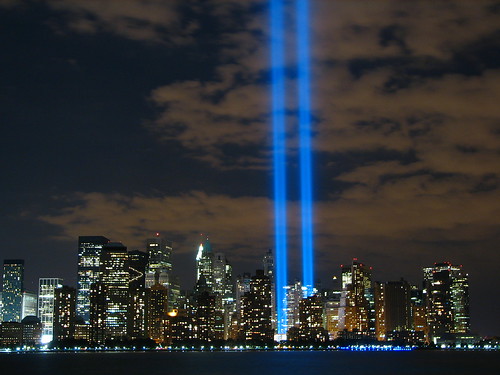
In the book Extremely Loud & Incredibly Close by Jonathan Foer, the protagonist Oskar Schell finds all his answers in his dad. He thought that his dad was the best person in the world. He was smart, logic, and creative. Yes, everyone thinks this about his or her dad for the most part. But for Oskar, he is lost in a sea of questions without him. After losing his dad to the 9/11 terrorist attack, Oskar fights confusion and anger in determination to find closure.
I think that Oskar wants to find closure in completing a game that he and his dad had started before 9/11, and left unfinished. In this game his dad, Thomas, would give Oskar clues and he would have to bring objects to his dad that fit the description. His dad told him when he won. But this game had been going on especially long. Oskar searched day after day. Any questions he had for his dad, Thomas answered with questions. But Oskar never came close. Now, after his dad died, Oskar finds a key that he thinks may be the winner to the game. First though, he must find what the key is for, and who it belongs to.
Oskar travels to boroughs in search of anyone who might have been in acquaintance to his father. Yet, he is met with disappointment. Without his dad there to tell him yes or no, leaves Oskar completely lost and frustrated. He constantly reminds himself when someone doesn't supply him with a satisfactory answer, dad would've known. Oskar loves challenges and thought provoking tasks, but internally he is angry that he was left to figure this out alone. His dad was all Oskar ever wanted to be- but now he is gone. I think that Oskar wants to finish this game as a last sense of connection to his father. To prove himself worthy of one last approval.
I love my dad. He is not a professor, yet I feel like he knows all the answers that would be important to me. I can't imagine losing him, or his dad-jokes, or how he calls my classmates "kitty cats" on school trips. But it's not just him. I couldn't imagine losing anyone dearly close to me. But I feel that if I had, I would want to find a way to make it up to them. I would have to take some path to find closure. Oskar's, unfortunately, happens to be a long difficult odyssey of which he has to conquer on his own.
 |
I think that Oskar wants to find closure in completing a game that he and his dad had started before 9/11, and left unfinished. In this game his dad, Thomas, would give Oskar clues and he would have to bring objects to his dad that fit the description. His dad told him when he won. But this game had been going on especially long. Oskar searched day after day. Any questions he had for his dad, Thomas answered with questions. But Oskar never came close. Now, after his dad died, Oskar finds a key that he thinks may be the winner to the game. First though, he must find what the key is for, and who it belongs to.
Oskar travels to boroughs in search of anyone who might have been in acquaintance to his father. Yet, he is met with disappointment. Without his dad there to tell him yes or no, leaves Oskar completely lost and frustrated. He constantly reminds himself when someone doesn't supply him with a satisfactory answer, dad would've known. Oskar loves challenges and thought provoking tasks, but internally he is angry that he was left to figure this out alone. His dad was all Oskar ever wanted to be- but now he is gone. I think that Oskar wants to finish this game as a last sense of connection to his father. To prove himself worthy of one last approval.
I love my dad. He is not a professor, yet I feel like he knows all the answers that would be important to me. I can't imagine losing him, or his dad-jokes, or how he calls my classmates "kitty cats" on school trips. But it's not just him. I couldn't imagine losing anyone dearly close to me. But I feel that if I had, I would want to find a way to make it up to them. I would have to take some path to find closure. Oskar's, unfortunately, happens to be a long difficult odyssey of which he has to conquer on his own.
Tuesday, October 16, 2012
Revenge Or Relief?
13 Reasons Why By Jay Asher
I am nearing the end of the book 13 Reasons Why by Jay Asher. It is about the protagonist, Clay, listening to tapes recorded by someone who commits suicide. Hannah, the author of these tapes, creates them to tell 13 people why she decided to commit suicide, and what they had to do with it. On each tape, she records a moment of realization, and each one involves one of the 13 people on her list. In these tapes she tells her story, the one that no one has bothered to listen to. In each story, she tells of how that person hurt her, how that person affected her. It seems a little harsh, no? Leaving little reminders that you caused someone to take their life. A little like revenge. It seems as though Hannah did this out of anger, as if she wanted the people on her list to be forever haunted and with guilt. That may be why she started the tapes, but I think that it went deeper than that.
All of Hannah's stories so far, are truly terrible. From any other character's point of view it may have not been, but from Hannah's, I was able to feel upset for her that things went downhill ever since she moved. I can grasp the concept of why she would want to make the people feel guilty. I understand why she would want the 13 people on her list, to realize the affects of their actions. I understand it completely. I remember a couple of years ago, I was extremely upset. I can't remember why exactly, but I remember that it felt like my whole world was crashing down on me. Dramatic. I know. But I felt like I hated everyone, and I couldn't deal with anything anymore. I felt cramped in my small room, and I felt lonely. I wrote down all the things I was thinking into an empty notebook, and left it on the dining room table. I wanted my family to realize how miserable I was. I wanted them to wander upon it, and find a tear-stained scribbled mess of anger and sadness. I wanted them to feel bad. But just as my mom was about to pick it up, I hurriedly snatched the notebook, suddenly changing my mind. I wouldn't meet her stare. I realized it wasn't fair to drag others into my problems, and that it was selfish of me to want them to suffer as much as I was. So I tore up the paper and threw them away.
So, yeah. The tapes that Hannah made could be looked at as unfair, and cruel. It could be argued that blaming these people and then making a permanent reminder is unjust. But I don't view Hannah as the kind of person that was filled with hate for herself and everyone around her. I think she was just tired of hearing rumors about her. She was tired of being looked over as unimportant, as if everyone already knew everything about her. But no one really did. I think that she told her story for the 13 people, in the way it actually was. In this way, the tapes acted as relief to Hannah, because she left the world knowing that her former reputation was cleared.
When I first started reading this book, I thought, this girl is really cruel. But as her story unfolded, I began to understand. The 13 people she blamed for her suicide, they all contributed to her source of unhappiness. Mostly by creating rumors, or breaking her trust. Hannah's trust was battered and bruised from her experiences, and she just wanted to give up. But the tapes, after a while, came off as sad to me. Listening, or reading one after another, I started to accept that she just wanted clarification for everyone. And I felt pain for her, that she needed to do that. Its not fair, that all of her problems escalated so far. Overall, I don't think that Hannah found pleasure in the tapes she made. I think she had a purpose in making them. Do you think she wanted to relive all those moments, that led to her wanting to take her life? Because I don't think so. She wanted people to understand her. Not pity, but simply understand her situation. By recording the tapes, she accomplished just that.
But what do you think was her reasoning? Revenge or relief?
I am nearing the end of the book 13 Reasons Why by Jay Asher. It is about the protagonist, Clay, listening to tapes recorded by someone who commits suicide. Hannah, the author of these tapes, creates them to tell 13 people why she decided to commit suicide, and what they had to do with it. On each tape, she records a moment of realization, and each one involves one of the 13 people on her list. In these tapes she tells her story, the one that no one has bothered to listen to. In each story, she tells of how that person hurt her, how that person affected her. It seems a little harsh, no? Leaving little reminders that you caused someone to take their life. A little like revenge. It seems as though Hannah did this out of anger, as if she wanted the people on her list to be forever haunted and with guilt. That may be why she started the tapes, but I think that it went deeper than that.
All of Hannah's stories so far, are truly terrible. From any other character's point of view it may have not been, but from Hannah's, I was able to feel upset for her that things went downhill ever since she moved. I can grasp the concept of why she would want to make the people feel guilty. I understand why she would want the 13 people on her list, to realize the affects of their actions. I understand it completely. I remember a couple of years ago, I was extremely upset. I can't remember why exactly, but I remember that it felt like my whole world was crashing down on me. Dramatic. I know. But I felt like I hated everyone, and I couldn't deal with anything anymore. I felt cramped in my small room, and I felt lonely. I wrote down all the things I was thinking into an empty notebook, and left it on the dining room table. I wanted my family to realize how miserable I was. I wanted them to wander upon it, and find a tear-stained scribbled mess of anger and sadness. I wanted them to feel bad. But just as my mom was about to pick it up, I hurriedly snatched the notebook, suddenly changing my mind. I wouldn't meet her stare. I realized it wasn't fair to drag others into my problems, and that it was selfish of me to want them to suffer as much as I was. So I tore up the paper and threw them away.
So, yeah. The tapes that Hannah made could be looked at as unfair, and cruel. It could be argued that blaming these people and then making a permanent reminder is unjust. But I don't view Hannah as the kind of person that was filled with hate for herself and everyone around her. I think she was just tired of hearing rumors about her. She was tired of being looked over as unimportant, as if everyone already knew everything about her. But no one really did. I think that she told her story for the 13 people, in the way it actually was. In this way, the tapes acted as relief to Hannah, because she left the world knowing that her former reputation was cleared.
When I first started reading this book, I thought, this girl is really cruel. But as her story unfolded, I began to understand. The 13 people she blamed for her suicide, they all contributed to her source of unhappiness. Mostly by creating rumors, or breaking her trust. Hannah's trust was battered and bruised from her experiences, and she just wanted to give up. But the tapes, after a while, came off as sad to me. Listening, or reading one after another, I started to accept that she just wanted clarification for everyone. And I felt pain for her, that she needed to do that. Its not fair, that all of her problems escalated so far. Overall, I don't think that Hannah found pleasure in the tapes she made. I think she had a purpose in making them. Do you think she wanted to relive all those moments, that led to her wanting to take her life? Because I don't think so. She wanted people to understand her. Not pity, but simply understand her situation. By recording the tapes, she accomplished just that.
But what do you think was her reasoning? Revenge or relief?
Subscribe to:
Posts (Atom)